Step-by-Step Guide to Installing a French Drain
Installing a French drain is a practical solution to managing excess water around your property, particularly in areas prone to flooding or poor drainage. St. Joseph French Drain Installation . In St. Joseph, where heavy rains can occasionally overwhelm the natural drainage capabilities of the land, a French drain can be an effective means of protecting your home and landscaping from water damage. This step-by-step guide will walk you through the process of installing a French drain, ensuring that your property remains dry and safe.
The first step in installing a French drain is planning and preparation. Begin by identifying the areas in your yard where water tends to accumulate. These could be low spots in the lawn, near the foundation of your home, or along walkways and driveways. Once you have pinpointed these areas, determine the ideal path for your French drain. The drain should be positioned to direct water away from the problem areas and toward a suitable drainage outlet, such as a ditch or storm drain.
Next, gather the necessary materials and tools. You will need perforated drainage pipe, gravel, landscape fabric, a shovel, and a wheelbarrow. Its also advisable to have a level or laser level to ensure proper grading. Before you begin digging, check with local utility companies to ensure that you won't hit any underground pipes or cables.
With your materials ready and your path planned, its time to start digging. Use a shovel to excavate a trench along the predetermined path.
Best French Drain Installation St. Joseph - Emergency drainage repair St Joseph MO
- Custom drainage solutions St Joseph MO
- Best lawn drainage St Joseph MO
Best French Drain Installation St. Joseph - Lawn seeding services in St Joseph MO
- safe sod St Joseph MO Kid safe sod St Joseph MO is the shortcut to a yard so lush your shoes might feel left out
- Stormwater drainage St Joseph MO
- sod installation St Joseph MO Affordable sod installation St Joseph MO is the shortcut to a yard so lush your shoes might feel left out
Line the trench with landscape fabric, allowing the excess to hang over the edges. This fabric will help prevent soil and debris from clogging the drainage pipe. Once the fabric is in place, add a layer of gravel to the bottom of the trench. This layer should be about 2 to 3 inches deep and will provide a stable base for the drainage pipe.
Lay the perforated drainage pipe on top of the gravel layer, ensuring that the perforations are facing downward. This orientation allows water to enter the pipe from below and be carried away from the problem areas. After positioning the pipe, cover it with additional gravel until it is completely surrounded. The gravel will facilitate water flow and protect the pipe from damage.
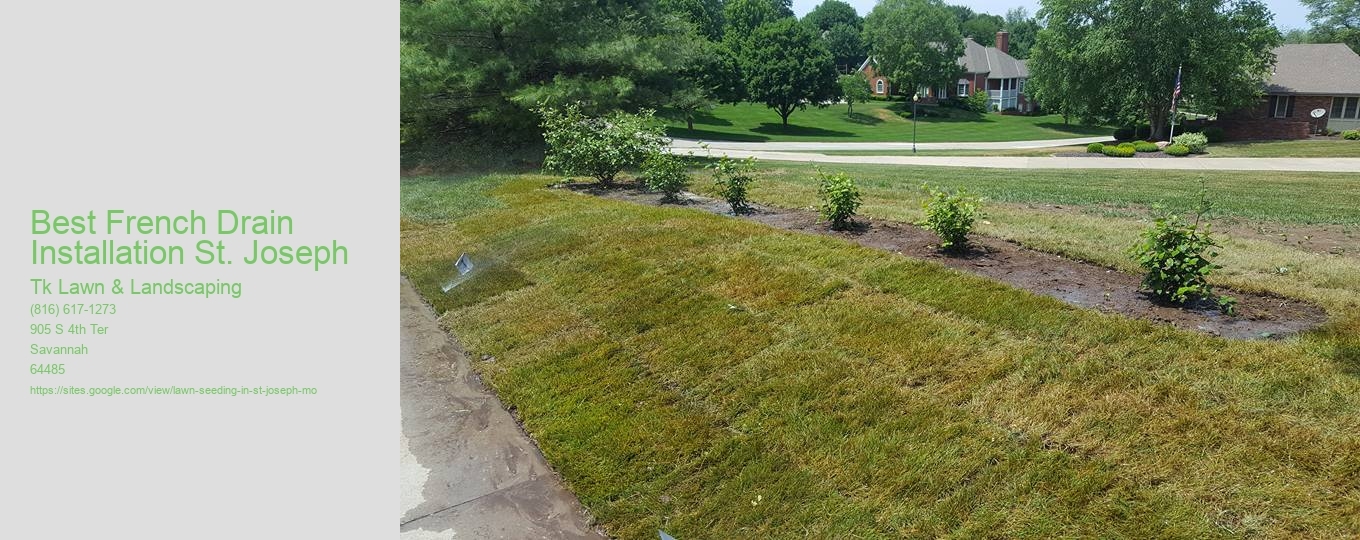
Fold the excess landscape fabric over the gravel, fully enclosing it. This barrier will help keep soil and debris out, maintaining the efficiency of the French drain. Finally, cover the trench with soil and sod to restore the appearance of your yard.
By following these steps, you can successfully install a French drain in St. Joseph, effectively managing water around your property. Regular maintenance, such as clearing debris from the drainage outlet and inspecting the system for blockages, will ensure that your French drain remains functional for years to come. With your new drainage system in place, you can enjoy a drier, safer environment, free from the worries of water damage.
Materials and Tools Required for Installation
When considering the installation of a French drain, particularly in the context of the best practices in St. Joseph, its essential to understand the materials and tools necessary for a successful project. The French drain, a simple yet effective drainage solution, helps redirect water away from vulnerable areas, preventing water damage and maintaining landscape integrity. The success of this installation largely depends on the right combination of materials and tools, ensuring durability and efficiency.
First and foremost, the primary material required is gravel. High-quality gravel acts as a filtration system, allowing water to flow easily while preventing soil from clogging the drain. In St. Joseph, its advisable to select angular gravel, which locks together better than round gravel, providing a stable and efficient drainage path. Alongside gravel, perforated pipe is crucial. Typically made of PVC or corrugated plastic, this pipe collects and directs water through the system. The perforations allow water to enter from the surrounding soil, channeling it away from the problem area.
Another essential material is landscape fabric. This fabric serves as a barrier between the soil and gravel, preventing soil particles from entering the gravel bed and clogging the system. In St. Joseph, where soil conditions can vary, using a high-quality geotextile fabric ensures longevity and reduces maintenance needs. Additionally, protective covers or caps for the ends of the drain pipe help prevent debris and pests from entering the system.
In terms of tools, a shovel is fundamental for digging the trench where the French drain will be installed. Depending on the size and complexity of the project, a trenching tool or mini-excavator might also be necessary, especially in larger installations or in areas with compact or rocky soil. A level is another indispensable tool, ensuring that the trench has the proper slope to facilitate effective drainage. Generally, a slope of about 1% (or 1 foot of drop per 100 feet of run) is recommended.
For cutting the perforated pipe to the required lengths, a hacksaw or pipe cutter is essential. Additionally, a wheelbarrow will aid in transporting gravel and soil to and from the trench site. For those in St. Joseph aiming for precision and efficiency, laser levels or string levels can be particularly useful tools for maintaining the correct slope throughout the trench.
Finally, for finishing touches, consider using a tamper to compact the soil around the trench, ensuring stability and reducing the risk of future settling. This step is vital in maintaining the appearance and function of the landscape post-installation.
In conclusion, the successful installation of a French drain in St. Joseph hinges on the careful selection and use of the right materials and tools. By investing in high-quality gravel, perforated pipe, and landscape fabric, and utilizing the appropriate tools for trenching and leveling, homeowners can achieve an efficient drainage system that protects their property from water damage for years to come.

Common Mistakes to Avoid During Installation
When embarking on a project to install a French drain in St. Joseph, it's crucial to approach the task with careful planning and attention to detail. French drains are a popular solution for managing water runoff and preventing flooding, but improper installation can lead to ineffectiveness and costly repairs. Here are some common mistakes to avoid during the installation process to ensure the best results.
First, failing to plan for the right location is a frequent oversight. The primary purpose of a French drain is to redirect water away from problem areas, so it's essential to conduct a thorough assessment of your property to determine the most strategic placement. Ignoring factors such as the natural slope of the land and existing water flow patterns can render the drain ineffective. A proper site analysis will help in identifying the best location for installation.
Another common mistake is using the wrong materials. The effectiveness of a French drain largely depends on the quality of the materials used. It's important to select the right type of gravel and perforated pipe. Using gravel that is too fine can lead to clogging, while an inadequate pipe can restrict water flow. Opting for high-quality, durable materials may cost more initially but will save money and effort in the long run by ensuring the system functions properly.
Improper sizing of the drain is also a significant issue. A French drain that is too small will not be able to handle large volumes of water during heavy rains, leading to overflow and potential flooding. It's crucial to calculate the appropriate size based on the average rainfall in St. Joseph and the area that needs drainage. Consulting with a professional can provide valuable insights into the correct specifications for your particular needs.
Additionally, neglecting proper grading can compromise the effectiveness of a French drain. The system relies on gravity to move water, so the trench must be graded correctly to ensure a smooth flow towards the intended discharge point. Even slight errors in grading can result in water pooling rather than draining, which defeats the purpose of the installation.
Lastly, skipping regular maintenance is a mistake that often leads to failure over time. French drains, like any other drainage system, require periodic inspection and cleaning to function optimally. Leaves, dirt, and debris can accumulate and cause blockages. Establishing a routine maintenance schedule will help prolong the life of the drain and ensure that it operates efficiently.
In conclusion, avoiding these common mistakes during the installation of a French drain in St. Joseph can make a significant difference in the system's performance and longevity. By carefully selecting the location, using the right materials, sizing the drain appropriately, ensuring proper grading, and committing to regular maintenance, homeowners can effectively manage water issues and protect their property from damage. Investing time and effort into getting it right the first time will pay off in the long term, providing peace of mind and a well-functioning drainage solution.
Maintenance Tips for Longevity of Your French Drain
Maintaining the longevity of your French drain is crucial, especially if you reside in areas like St. Joseph where heavy rainfall can challenge even the best drainage systems. A well-installed French drain can efficiently redirect water away from your homes foundation, preventing water damage and costly repairs. However, ensuring its long-term functionality requires regular maintenance and care.
First and foremost, routine inspection is key. Lawn seeding services in St Joseph MO Regularly check for any visible signs of blockages, such as standing water or slow drainage. Debris like leaves, dirt, and other materials can accumulate over time, impeding the flow of water through the drain. Its advisable to conduct these inspections especially after heavy rainfalls or seasonal changes, as these are prime times for blockages to occur.
Cleaning your French drain is another essential maintenance task. If you notice any blockages, clean the drain by removing debris from the surface and flushing the system with a hose. This helps to clear any clogs within the pipes. Some homeowners find it beneficial to use a high-pressure water jet for a more thorough cleaning, but this might require professional assistance to avoid damaging the drain.
Monitoring the landscape around your French drain is also important. Ensure that the soil and grading around your property direct water towards the drain rather than away from it. Over time, soil can shift, and erosion can alter the landscape, affecting the effectiveness of your French drain. Regrading the area or adding more gravel can help maintain proper water flow.
Vegetation management plays a role as well. Roots from trees and shrubs can infiltrate and damage the drain pipes. Its wise to plant larger trees and shrubs away from the drain system. For existing vegetation, consider trimming roots or installing root barriers to prevent interference with the drain.
Lastly, consider professional maintenance services. While many aspects of French drain care can be handled by homeowners, periodic professional inspections can catch potential issues that may not be immediately visible. Experts in French drain installation and maintenance in St. Joseph can provide valuable insights and services, ensuring that your system remains efficient and functional.
In conclusion, the longevity of your French drain is largely dependent on regular maintenance and attentive care. By conducting regular inspections, cleaning the system, monitoring the surrounding landscape, managing vegetation, and seeking professional assistance when needed, you can ensure your French drain continues to protect your home effectively for years to come. This proactive approach not only preserves the integrity of your drainage system but also safeguards your property from potential water damage.


